Water Eject
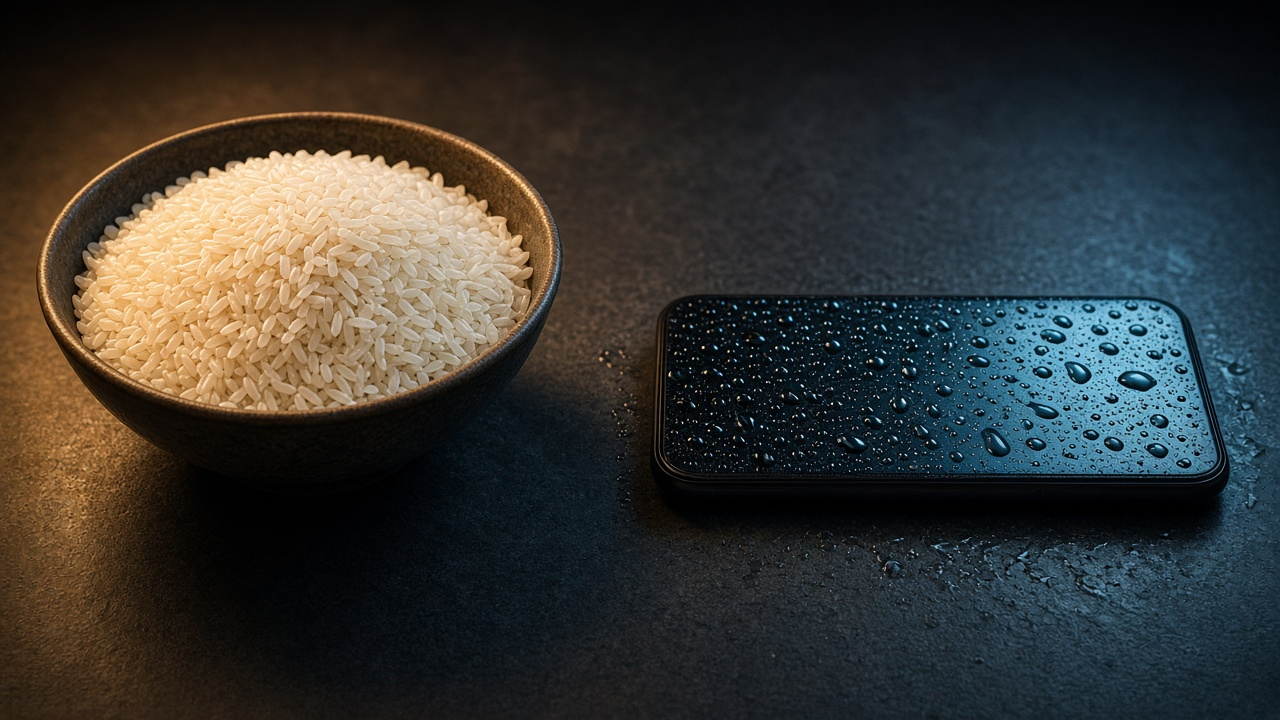
Search results still push “put your wet phone in rice.” As a rice myth for wet phones, it under-delivers: rice is a mediocre desiccant, slow around sealed electronics, and can leave starch particles in speaker mesh and ports.
Skip the rice — clear the speaker
Use a free water eject sound for muffled audio, plus air-drying for ports.
Play water eject sound →Why the rice myth spread
Rice is cheap, visible, and feels like “doing something.” Older anecdotal advice stuck around long after manufacturers and repair techs warned against it. Visibility is not the same as drying power inside a modern IP-rated phone.
Why rice fails on modern phones
- Weak moisture pull compared with proper desiccants or simply moving dry air.
- Starch and dust can enter openings and clog grilles — making muffled sound worse.
- False security: people delay real steps (power discipline, eject sound, port dry time) while the phone sits in a bowl overnight.
- Corrosion still happens if liquid reached the board; rice does not reverse that.
What to do instead of rice
- Follow the water in phone emergency checklist.
- Wipe the exterior, remove the case, ports facing down.
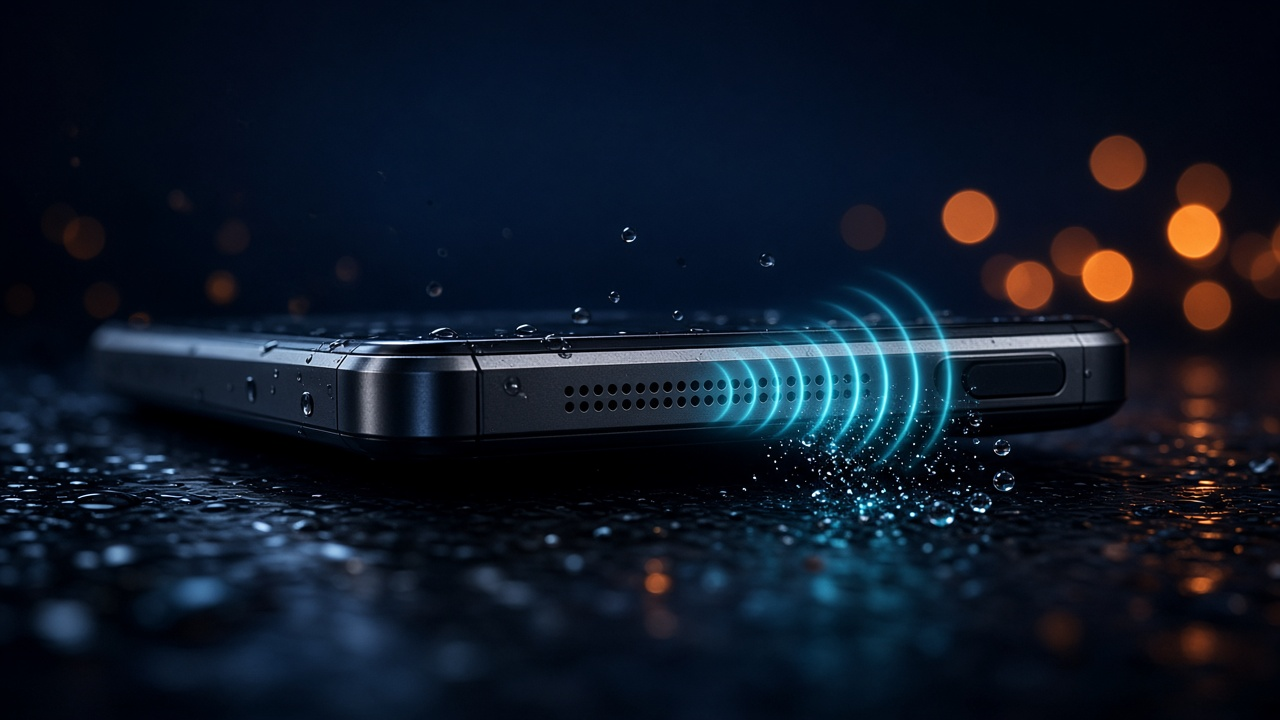
- Play a water eject sound for speaker moisture.
- For residual chassis moisture, silica gel packs in a sealed container beat rice.
- Wait out charging-port moisture warnings — see iPhone Liquid Detected if that is your alert.
FAQ — rice and wet phones
Is any amount of rice OK?
It is unnecessary risk for little benefit. Prefer air-drying, silica gel for residual moisture, and a water eject sound for the speaker.
What if I already put it in rice?
Remove the phone, brush off grains gently, blow lightly from a distance if dust remains on the exterior, then run the eject sound and give ports dry time. Do not rinse.
Does uncooked rice “absorb” speaker water?
Not effectively through modern meshes. Speaker water responds better to membrane vibration and orientation — that is what the eject sound is for.